Enterprise knowledge, connected
Search • Documents • ESearch

SEARCH · EXTRACTION · DATA INTELLIGENCE
Turn scattered documents and complex web data into information your business can actually use.
Built around your sources. Shaped around your questions.
Search • Documents • ESearch
Extraction • Data • NakkebWeb
Arabic • Entities • NakkebNER
A purpose for every search
Explore the established Nakkeb search family, from internal documents to structured catalogs and specialized domains.

01 Enterprise search
ESearch brings selected documents and records into a searchable experience shaped around your teams, permissions, and questions. An engagement starts with a source and access review, then defines the connectors, indexing rules, and interface needed for your environment.
Explore ESearch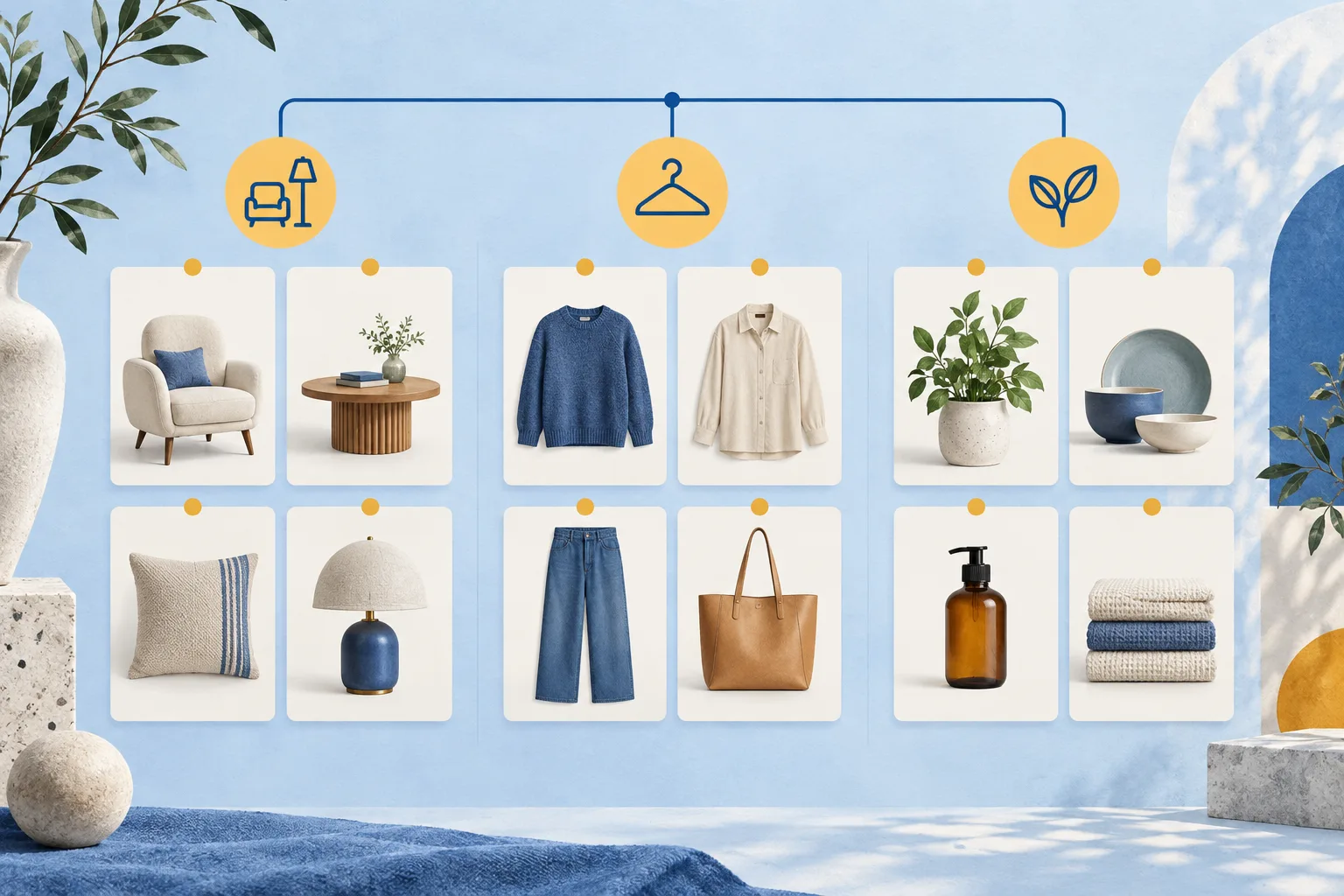
02 Vertical search
VSearch is a configurable search experience for a defined collection such as products, listings, or internal records. It pairs field-aware results with filters and navigation that fit the vocabulary of the collection.
Explore VSearch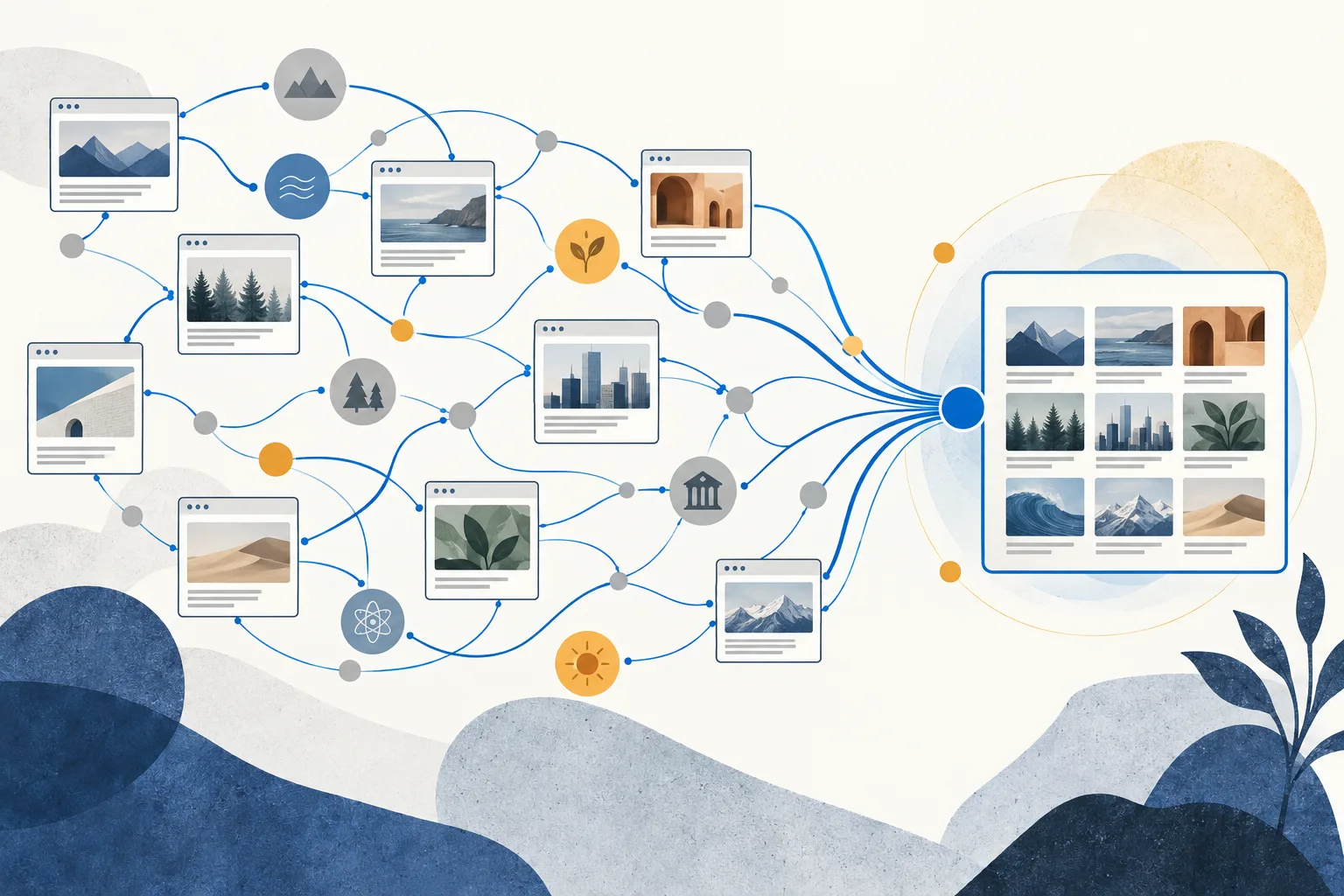
03 Domain search
DSearch combines source selection, extraction, domain vocabulary, and indexing for a specific subject area. The resulting search concept is designed around what qualifies as a useful record in that domain, with feasibility established from sample sources.
Explore DSearchFrom scattered to searchable
01 / Discover
Documents, permitted websites, feeds, or your own databases. Define what matters before collecting anything.
02 / Structure
Extract relevant fields, identify entities, normalize formats, and check representative records.
03 / Find
Build an index, meaningful filters, and a search experience shaped around how your users ask questions.
More than an index
A useful search experience depends on good inputs. Connect crawling, extraction, classification, and implementation with one project scope.
NakkebWeb is Nakkeb’s web crawling and extraction work. For each engagement, we review permitted sources, choose the fields that matter, sample extraction quality, and design a maintainable data handoff.
NakkebNER scopes entity extraction for documents or records, such as people, organizations, places, dates, and amounts. A sample from your domain is used to define labels, evaluate accuracy, and decide where human review belongs.
PSearch frames people discovery as a scoped research and search engagement. We identify the role, organization, or expertise signals you need, then assess lawful and practical source access before designing a search workflow.
 THE ORIGINAL NAKKEB PRESENTATION ↗
Meet Nakkeb
Nakkeb takes its name from the Arabic verb نقّب: to mine or explore. Our work applies that idea to the information businesses need to find, understand, and put to work.
Research archive
Explore earlier internal studies of movie discovery, app-market patterns, startup funding, and music data. These are historical research examples, not current market statistics.
01 Archived research
In an archived internal exploration, Nakkeb used NakkebWeb to collect film page fields from IMDb, then queried the extracted records for films rated above 7 with a Metascore above 80. The page described an Excel export and rating distributions; it did not publish a dated, independently validated outcome.
Explore IMDb film discovery02 Archived research
An archived Nakkeb study collected Google Play listing fields, including price and download bands, to explore app market economics. Download bands are estimates of installs, not revenue data; the archive’s market-size and income assertions should be read as historical assumptions, not current facts.
Explore Google Play app economics03 Archived research
The archived iTunes page posed a narrow research question: how apps were distributed across price points and categories. It gives no dated sample size, chart values, or detailed method, so this case preserves the question and explains the data work it illustrates without inventing findings.
Explore iTunes App Store distributionYour next useful answer
Tell us about your information, your users, and the question you need to answer. We’ll help define the right next step.